
What We Do
Three service lines: AI-led process analysis and diagnostics, front-office process engineering, and back-office process engineering. Plus how we structure engagements.
Ithonga does one thing: We make business processes are optimised for business efficiency, using a combination of Human and focussed AI agents to ensure that your business processes are giving you the value that you need. Most engagements begin with front-end, client-facing engagements, and then progress through the respective organisation fulfilments teams - all as independent workflows - connected through efficient and automated hand-offs. Each can be commissioned independently to gain best value early in the optimisation process.
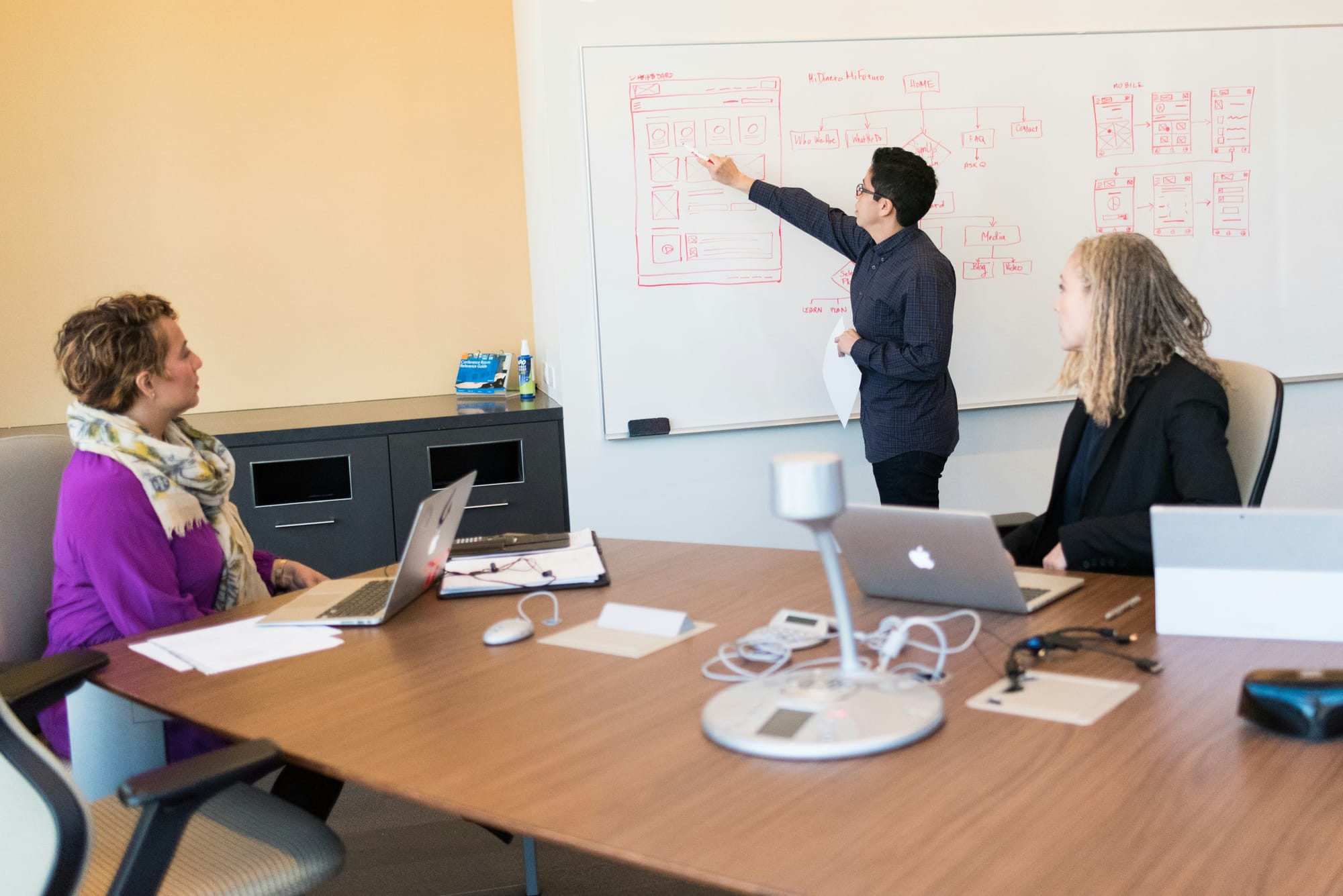
Process analysis and diagnostics
An organisation cannot optimise what it has never measured. And few organisations have measured their own internal processes end to end. It's a finding that we come across all-too-often, as organisations change to meet new market demands, but few have the opportunity to review the full end-to-end process of their own changes.
We use AI agents to read that evidence at various levels within the defined scope agreed with you before we begin. Depending on what is relevant and permitted, that can include case and ticket histories, system logs and audit trails; exports from your business platforms and document repositories. The agents do not replace the human work of interviewing the people who do the job - that's us, the human team who interview your teams to ensure that we're working side-by-side to ensure the current, and to-be processes meet the business objectives.
What you receive
- A map of how work actually moves through the organisation, established from evidence rather than from documentation.
- Quantified friction points: where time is spent / repetition / delays and blockages.
- A prioritised list of candidate processes, ranked by the cost and potential efficiency cost they carry today and how tractable they are to re-engineer.
Analysis can be commissioned on its own. Some clients take the findings and act on them with their own teams. That is a legitimate outcome and we assess the engagement accordingly.
Front-office process engineering
Front-office processes are the ones your clients experience directly. They are also where inconsistency and are often the most expensive, because the client cannot see your constraints — only your responses.
Where we typically build
- Enquiry capture and triage. Inbound requests classified, and enriched with the context needed to act on them - routed to the correct process owner.
- Qualification and quotation. Structured gathering of the information a quotation genuinely requires, drafts assembled against your commercial rules, approval retained by a person.
- Client onboarding. The sequence of documents, checks, approvals and confirmations that turns a signed client into an operating one, run to a schedule with visible status.
- Case and service handling. First-line triage, resolutions drawn from your own resolution history, and escalation that fires on defined criteria.
- Scheduling and coordination. Appointments, visits, follow-ups and reminders maintained without a person holding it together by hand.
- Renewals and retention. Commercial signals surfaced early enough to be acted on rather than reported after the event.
The design principle is consistent throughout: agents perform the gathering, drafting, checking and routing. People retain the decisions and the relationship. Where precisely that line sits is agreed with you, documented, and enforced in the build.
Back-office process engineering
Back-office processes are invisible to your clients and expensive to you. They are also frequently the most tractable, because the rules tend to be explicit and the data tends to be structured.
Where we typically build
- Purchase to pay. Invoice capture, coding, and matching against orders and receipts, with exceptions routed to a person with the discrepancy already identified.
- Reconciliation. Comparison of records across systems that disagree, resolved by rule where rules exist and escalated with supporting evidence where they do not.
- Supplier and counterparty onboarding. Document collection, verification and record creation, tracked through to completion.
- Regulatory and compliance reporting. Recurring returns assembled from source systems, with an audit trail establishing the provenance of every figure.
- Document processing. Extraction of the fields that matter from contracts, statements, forms and correspondence, validated and written into the systems that need them.
- Data movement between systems. The transfer and re-keying that appears in nobody's job description and in everybody's week.
- Internal service desk. HR, IT and facilities requests handled against a defined standard.
How engagements are structured
Discovery:
Fixed scope, fixed fee, fixed duration. Interviews, observation, agent-led analysis of your existing evidence, and a written report containing a prioritised opportunity list and a proposed scope for a first build. The output is yours whether or not you proceed with us.
Design & Iterative Consultation
Redesign of any processes are always done in close-collaboration with your subject matter experts and management.
Build
Build, test and deployment of an agreed set of workflows. Scoped against the scope agreed at Design phase, with any material change returning to the design document rather than being absorbed quietly.
Service and operate
Monitoring, incident response, iteration and change management for live workflows under a defined service level agreement, with a monthly service review and a published change log. Available for workflows we have built and, subject to review, for workflows already in place.
Advisory
Where you have an internal engineering capability and require a second opinion on architecture, agent design, governance or vendor selection rather than delivery.